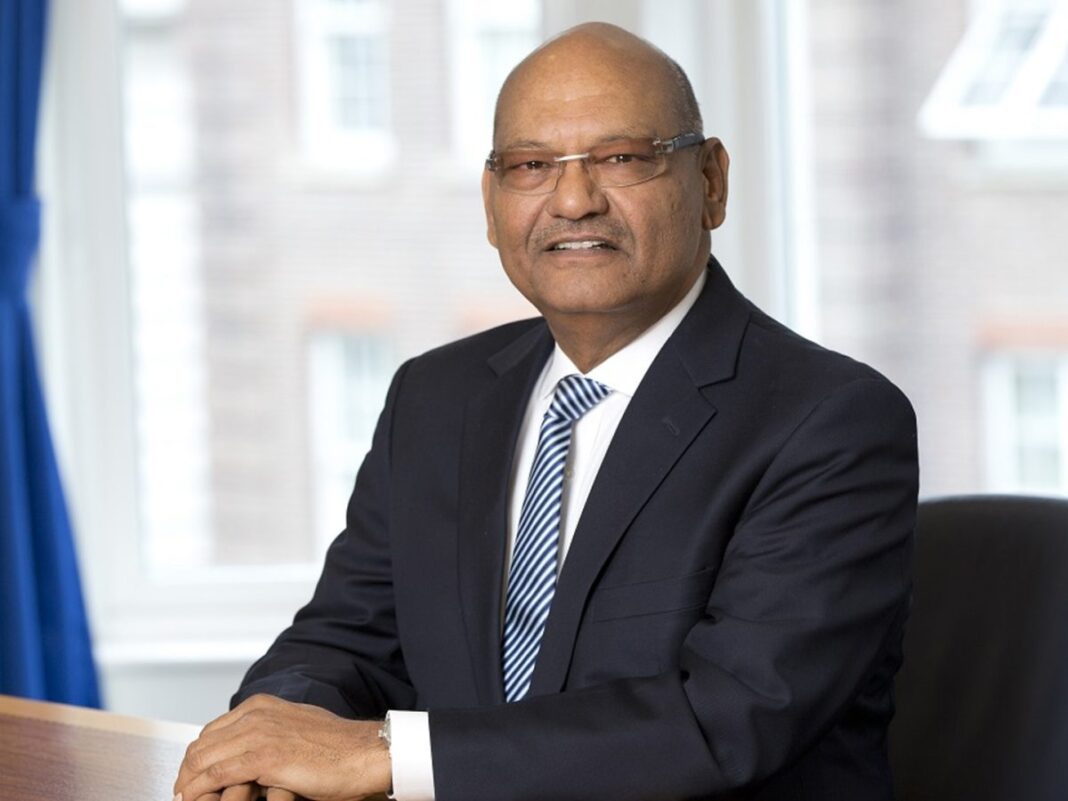

The rise of Vedanta Resources is one of the most remarkable industrial success stories in modern India. Founded by Anil Agarwal, the company grew from a small scrap-metal trading business into a multinational natural resources powerhouse with operations across mining, metals, oil and gas, and energy.
Vedanta’s journey reflects a powerful combination of bold acquisitions, strategic diversification, and long-term vision.
Humble Beginnings: A Scrap Metal Business
The Vedanta story began in 1976 in Mumbai, when Anil Agarwal started a small scrap metal dealership. Initially, the business involved collecting and trading scrap metals from cable manufacturers and industrial units.
Soon after, Agarwal acquired a struggling cable manufacturing company called Shamsher Sterling Corporation, which was later renamed Sterlite Industries. This acquisition marked the first major step toward building an industrial enterprise rather than a trading business.
The company started producing power and control cables, which laid the foundation for its future expansion into metals.
Entering the Metals Industry
By the 1980s and early 1990s, Anil Agarwal realized that relying on trading alone would limit growth. To secure raw materials and increase profitability, Sterlite began expanding into metal production, especially copper.
In 1993, the company established one of India’s first private sector copper smelters, marking its transformation from a trading firm into a large industrial player.
This shift allowed the company to control the value chain—from raw materials to finished products.
Strategic Acquisitions That Changed Everything
Vedanta’s rapid growth was largely driven by bold acquisitions of struggling public sector companies.
Some of the most important acquisitions include:
Bharat Aluminium Company (BALCO) – 2001
Vedanta acquired a 51% stake in BALCO, a government-owned aluminium producer. The company was underperforming, but Agarwal invested heavily to modernize operations.
Hindustan Zinc Limited – 2002
Vedanta purchased a majority stake in Hindustan Zinc, which later became one of the world’s largest zinc producers.
Sesa Goa – 2007
The acquisition of Sesa Goa, a major iron ore producer, expanded Vedanta’s mining portfolio and strengthened its presence in global metals markets.
These acquisitions transformed Vedanta into a diversified metals and mining conglomerate.
Global Expansion and London Listing
To access international capital markets and scale globally, Vedanta took a major step in 2003 by forming Vedanta Resources in the United Kingdom.
The company became the first Indian natural resources firm listed on the London Stock Exchange, allowing it to attract global investors and raise large amounts of capital.
This move positioned Vedanta as an international mining company rather than just an Indian industrial group.
Diversification into Oil, Energy, and Mining
Vedanta continued expanding aggressively across sectors.
One of its biggest deals came in 2011, when the group acquired a 58.5% stake in Cairn India, the country’s largest private oil and gas producer.
Through various subsidiaries, Vedanta now operates across:
- Zinc and silver mining
- Aluminium production
- Copper smelting
- Iron ore mining
- Oil and gas exploration
- Power generation
The company’s operations span several countries including India, Zambia, Namibia, South Africa, Ireland, and Australia, making it a truly global natural resources company.
Building One of the World’s Largest Zinc Producers
Vedanta’s subsidiary Hindustan Zinc Limited became one of the world’s leading zinc producers after major investments in technology and production capacity.
Production increased dramatically over time, helping the company become a global leader in zinc and silver output.
This success demonstrated Vedanta’s ability to revive struggling assets and turn them into highly profitable businesses.
Strategic Mergers and Restructuring
In 2013, Vedanta merged Sterlite Industries and Sesa Goa, creating a unified entity called Sesa Sterlite (now Vedanta Limited).
This restructuring helped consolidate the group’s mining and metals businesses under a single corporate structure.
Later, in 2018, Anil Agarwal took Vedanta Resources private again, reflecting his long-term strategic vision for the company.
Vedanta’s Future Vision
Today, Vedanta is working on expanding its operations and restructuring its businesses to unlock value.
The company plans to split its operations into multiple focused companies in areas like:
- Aluminium
- Oil and gas
- Power
- Iron and steel
- Zinc and silver
This restructuring aims to accelerate growth and attract specialized investors for each business segment.
Vedanta is also planning billions of dollars in new investments across its sectors to strengthen its global position.
Key Lessons from the Vedanta Growth Story
The journey of Vedanta Resources offers several powerful lessons for entrepreneurs and business leaders:
1. Start Small but Think Big
Vedanta began as a scrap trading business but evolved into a global corporation.
2. Turnaround Strategy Works
Many of Vedanta’s biggest successes came from acquiring struggling companies and transforming them.
3. Vertical Integration is Powerful
Controlling the supply chain—from mining to manufacturing—helped increase profitability.
4. Global Capital is Important for Scale
Listing in London allowed Vedanta to expand internationally.
Conclusion
The growth story of Vedanta Resources is a powerful example of how vision and risk-taking can transform a small business into a global industrial giant.
From a scrap metal dealership in Mumbai to a multinational natural resources empire, the journey of Anil Agarwal proves that entrepreneurial ambition, strategic acquisitions, and long-term thinking can reshape entire industries.
For aspiring entrepreneurs, the Vedanta story delivers one powerful message:
Great companies are not built overnight — they are built through bold decisions and relentless persistence.