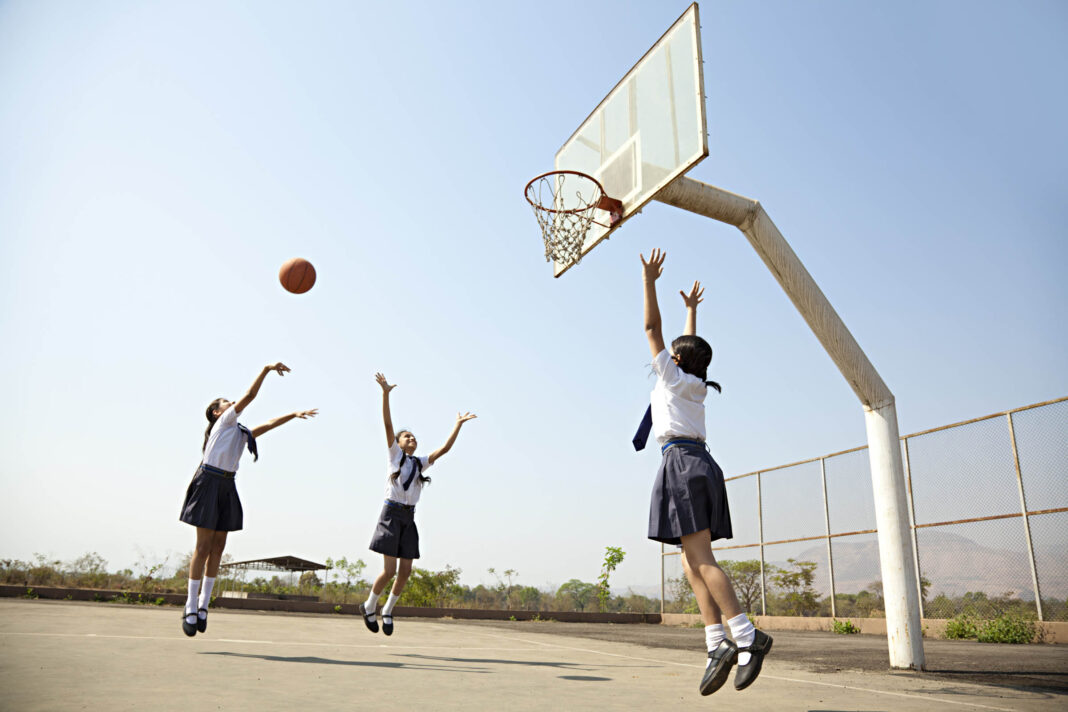

Education has traditionally been associated with textbooks, examinations, and classroom instruction. However, in today’s evolving world, this definition is no longer sufficient. True education goes beyond academic achievement and focuses on the holistic development of a child—physically, mentally, emotionally, and socially. In this broader vision of learning, sports and physical education play a vital role. They are not merely extracurricular activities but essential components that help shape well-rounded, confident, and capable individuals.
One of the most fundamental benefits of sports is the promotion of physical health. Regular participation in sports improves strength, stamina, flexibility, and overall fitness. In an age where children are increasingly exposed to sedentary lifestyles due to excessive screen time, sports provide a necessary outlet for physical activity. Healthy students are more energetic, attentive, and better prepared to engage in academic tasks, making physical fitness a strong foundation for effective learning.
Contrary to the common belief that sports distract students from academics, research consistently shows that physical activity enhances academic performance. Students who participate in sports tend to have better concentration, improved memory, and stronger problem-solving skills. Physical activity increases blood flow to the brain, which supports cognitive functions and helps students stay focused in the classroom. As a result, active students often perform better academically and demonstrate higher levels of engagement in their studies.
Sports also play a crucial role in supporting mental health and emotional wellbeing. Today’s students face increasing levels of stress due to academic pressure, competition, and social expectations. Engaging in sports helps reduce anxiety, relieve stress, and improve mood. It provides students with an opportunity to express themselves, release pent-up energy, and experience joy and relaxation. Regular physical activity has also been linked to higher self-esteem and greater emotional resilience, enabling students to cope better with challenges.
Beyond physical and mental benefits, sports are powerful tools for developing essential life skills. On the field, students learn teamwork, cooperation, leadership, discipline, and time management. They understand the importance of following rules, respecting others, and working towards common goals. Sports teach valuable lessons about handling success with humility and facing failure with courage. These experiences build character and prepare students for real-life situations that go far beyond the classroom.
Social development is another important outcome of sports participation. Sports bring together students from diverse backgrounds and encourage interaction, communication, and mutual respect. They help build friendships and foster a sense of belonging within the school community. Inclusive sports environments also ensure that every student, regardless of ability or background, gets an opportunity to participate and grow.
Moreover, sports contribute significantly to character building and value education. They instill qualities such as perseverance, integrity, fairness, and dedication. Students learn that success requires consistent effort, and setbacks are a part of the journey. These values are critical in shaping responsible citizens and future leaders.
Participation in sports also reduces the likelihood of students engaging in negative or risky behaviors. When students are involved in structured physical activities, they are more likely to develop healthy habits and stay focused on positive goals. Sports provide direction, discipline, and a sense of purpose, which are essential during the formative years of a child’s life.
In many ways, sports prepare students for the realities of the world. They simulate situations involving competition, pressure, decision-making, and teamwork. These experiences help students develop resilience, adaptability, and confidence—qualities that are essential for success in any field.
Despite these numerous benefits, sports are often undervalued in many educational systems. They are frequently treated as secondary to academic subjects, with limited time, resources, and infrastructure allocated to them. This mindset needs to change. Schools must recognize that sports are not optional but integral to the overall development of students.
To fully realize the benefits of sports, educational institutions should integrate them into the core curriculum. This includes making sports participation compulsory, investing in proper infrastructure, hiring trained coaches, and encouraging a culture where participation is valued as much as achievement. A balanced approach that gives equal importance to academics and physical education is essential.
In conclusion, sports are a powerful extension of education. They nurture healthy bodies, sharp minds, and strong character. A school that prioritizes sports is not just building athletes—it is building confident, resilient, and capable individuals. If education is truly about preparing students for life, then sports must be an indispensable part of that journey.